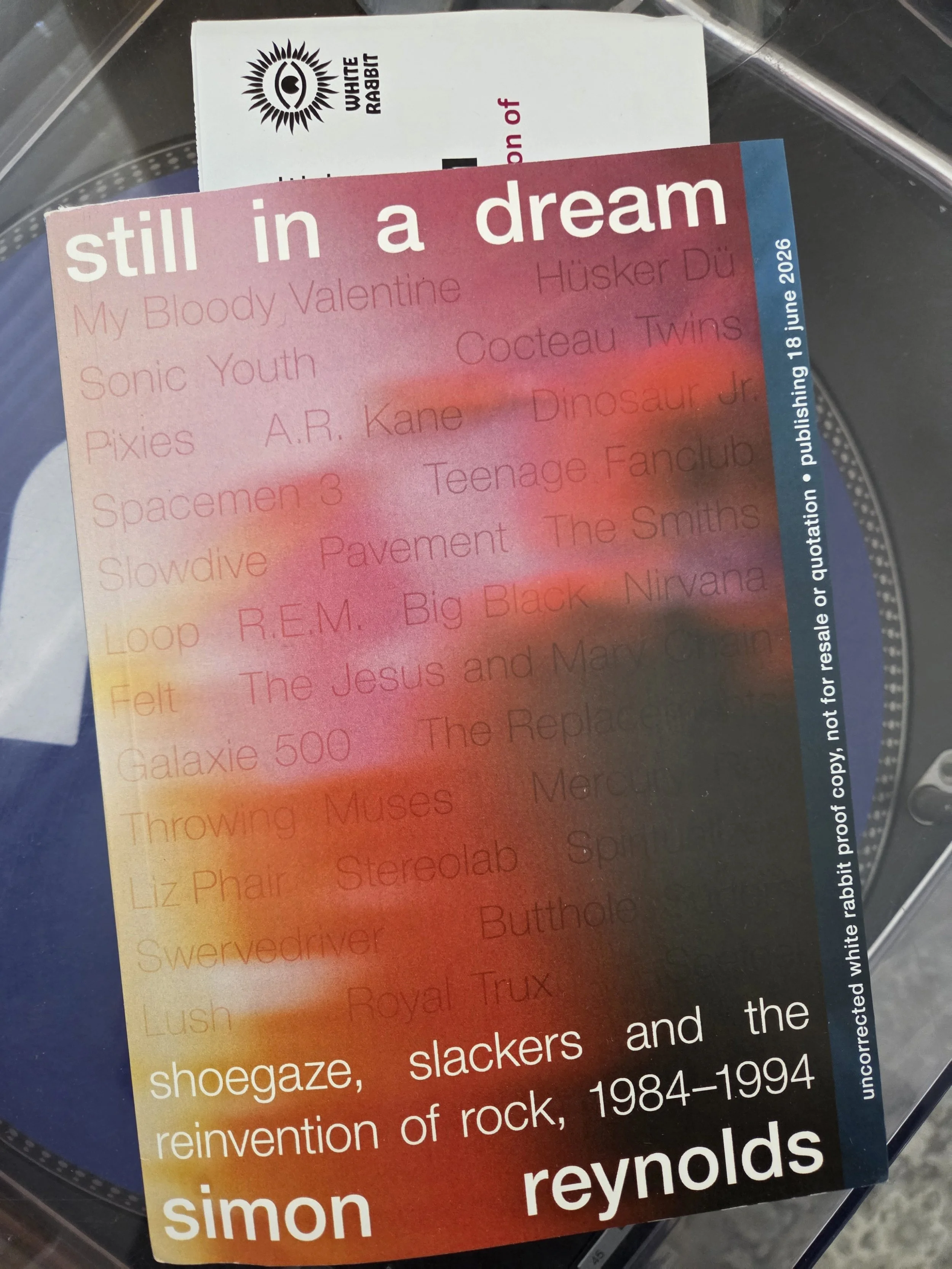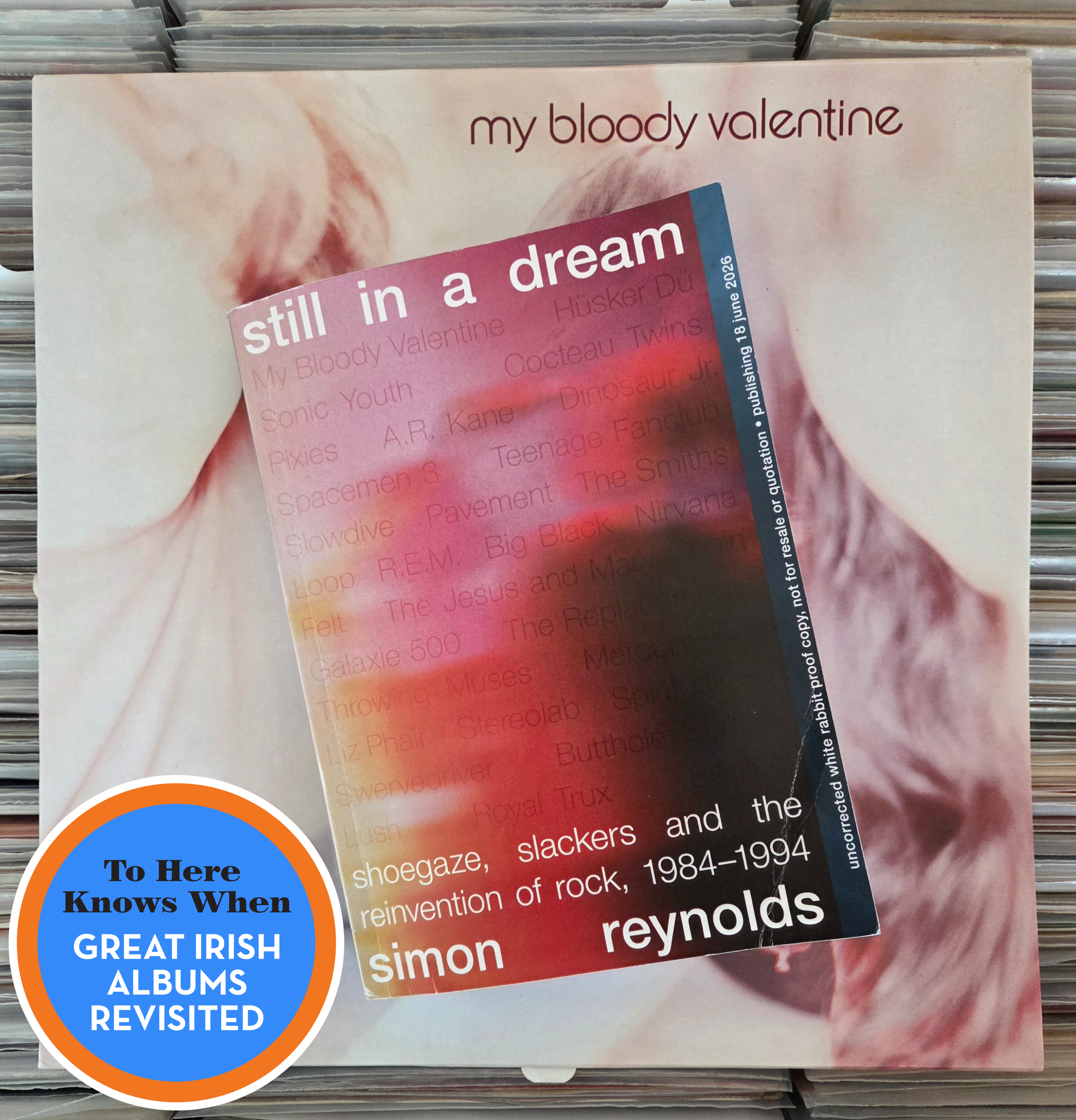
Bonus Episode 10
Simon Reynolds
An interview with Simon Reynolds about his new book, Still In A Dream: Shoegaze, Slakers and the Reinvention of Rock, 1984-1994. A long chat taking in REM, Cocteau Twins, The Smiths, Pixies, Throwing Muses, Dinosaur Jr, dole culture in the 1980s, A.R. Kane, shoegaze, dreampop, music journalism, and My Bloody Valentine.
Episode Notes:
This is Bonus Episode 10 and it’s a long interview with music journalist and author Simon Reynolds.
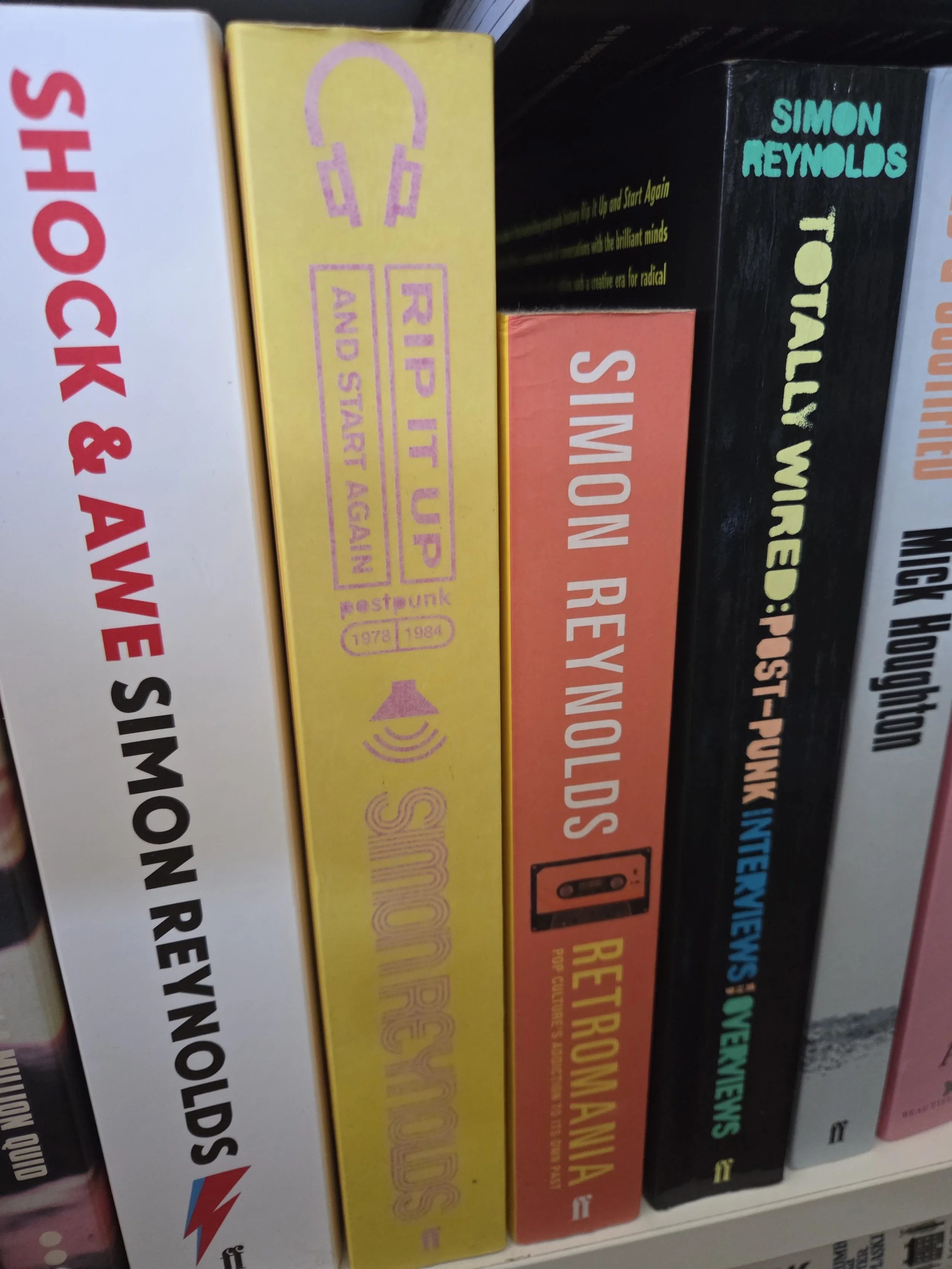
Simon began his writing career with Melody Maker in the mid-80s. He has contributed to a wide range of publications including Pitchfork, The New York Times, The Wire and The Guardian. He is the author of books about music and popular culture, including: Rip It Up and Start Again: Postpunk 1978-84 (2005); Retromania: Pop Culture’s Addiction to Its Own Past (2011); Shock and Awe: Glam Rock and Its Legacy, from the Seventies to the Twenty-First Century (2016); and Futuromania: Electronic Dreams from Moroder to Migos (2020).
His latest book, Still in a Dream: Shoegaze, Slackers and the Reinvention of Rock, 1984–1994, is published by White Rabbit.
Both this podcast and Simon’s new book are named for My Bloody Valentine songs. The title of Simon’s book comes from the Isn’t Anything song, ‘(When You Wake) You’re Still In A Dream’, and My Bloody Valentine are the central group in it. But the book is also about so much more and in this conversation we touch on many of its themes including:
My Bloody Valentine and Slowdive being discovered by new audiences; the emerging aesthetic of music in the mid to late 80s; early REM and Cocteau Twins; A.R. Kane and “dreampop” and dreaming as an escape from a grim political landscape in mid-80s Britain; discovering 60s bands like The Byrds, Love and The Velvet Underground in the 80s; The Smiths; Simon being questioned by the special branch after Morrissey made comments about Margaret Thatcher in a Melody Maker interview; Throwing Muses; Pixies; 4AD Records; Dinosaur Jr; slackers and dole culture in the 80s; Seefeel; Bark Psychosis; hype and group think in music journalism in the 80s; competition between Melody Maker and NME; being introduced to My Bloody Valentine by Irish journalist Margaret Fitzgerald; Isn’t Anything; MBV and Sonic Youth reinventing rock; Daydream Nation; shoegaze – and how the word went from a pejorative to the semantic victor; Loveless; the popularity of MBV today and why shoegaze has survived.
This interview is also about music journalism and how it has changed since Simon first started writing for the Melody Maker in the mid-80s. Back then there were four weekly music papers and Simon says that:
“They were full of hot-headed, young people who were not into tempered, measured, statements around things. A record was either like God or it was shit and there wasn't much in between.”
Here’s a an example of the former from Simon’s Melody Maker archive, a taste of a glowing Galaxie 500 feature from 1989:
“Sonically speaking, imagine the epic balladry of Darklands attempted by the lo-fi Mary Chain of Psychcandy. Think of the vaulted, sacrosanct space of Cowboy Junkies’ Trinity Session. Galaxie 500 songs seem to have captured the light just as it begins to fade: all colours drained away to bequeath us a monotone, monochrome masterpiece of fatalism, entropy and home-sick longing.”
Simon says later in our chat that: “Back then it was very much, you wanted to rave about music, this sort of hormonal energy of youth of constantly falling in love with records or a group and then being quite harsh about ones you didn't like.”
Here’s an example of the latter from January 1989. Simon reviewed The Jeff Healey Band’s single ‘Confidence Man’ and wrote: “A White Robert Cray, keeping the flame of the blues alive with tedious temperance. Someone should snuff it, and him, out for good.”
That may sound really harsh now, but it was very much the norm in the music inkies when I was reading them in the 80s and 90s. Simon says later in this interview that: “At the time I did a lot of negative writing. This book is almost entirely about groups that I love and raved about then and rave about now in a different sort of way. It’s very much an enthusiasm driven book.”